
Reviewed · THRACIAN HERITAGE & TOMBS
Kazanlak-Rose Valley-Valley of the Thracian Kings – private tour from Plovdiv
The most remarkable part of this day is the sharp change in subject: one hour you are learning how Bulgaria turns roses into perfume, and the next you are standing before tombs built for Thracian rulers. I like the private format, which keeps pickup simple and lets your group set the pace. I also like the mix of museums, ancient sites, and a grand Orthodox church, rather than a day spent looking at only one type of monument.
The main thing to consider is the pace. Five stops in about seven and a half hours gives you a useful introduction, but not a slow, detailed study of every site. The original Kazanlak tomb is closed to protect its frescoes, so you see a nearby replica instead, an important detail if the real UNESCO chamber is your main reason for booking.
Key points at a glance
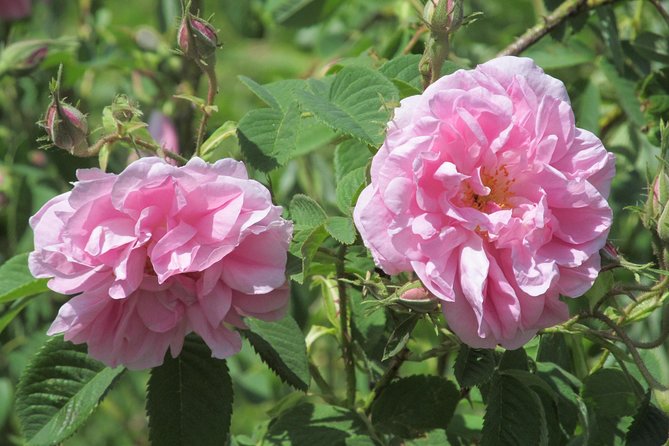
- Rose Valley timing matters: The usual rose bloom runs from May 1 to June 15, with lavender in June and sunflowers from mid-June to late July.
- The private vehicle saves hassle: Pickup and drop-off are offered at any hotel or location within Plovdiv city.
- Kazanlak’s UNESCO tomb is a replica visit: The original is closed to protect its fourth-century BC paintings.
- Thracian gold gives the ancient story weight: The Iskra Museum and Tomb of Seuthes III connect objects, rulers, and burial customs.
- Shipka adds a modern historical layer: The Russian Orthodox church honors Russian, Ukrainian, and Bulgarian soldiers from the 1877 to 1878 war.
- Budget for admission: Entry fees are not included and are listed at €9 per person, while lunch and drinks are also extra.
Why this private day from Plovdiv works
This tour reaches a part of Bulgaria that is awkward to cover on your own in one day. From Plovdiv, you get hotel pickup at 9:00 a.m., a private group setting, a driver and guide, and hotel drop-off after the visits. You do not need to work out separate transport between Kazanlak, the tombs, and Shipka.
The price is listed at $144.18 per person. That is not a bargain basement outing, but the value changes with group size. A private tour is easier to justify for two or more people who want a dedicated vehicle and guide, especially since the price includes fuel surcharge, local taxes, commentary, and both pickup and return.
You should still bring money for the €9 entry cost, food, and drinks. The entrance fee is modest compared with the total price, but it is easy to overlook because admission is not included. Lunch is not part of the schedule, though a guide may suggest a Bulgarian restaurant, as happened for one group with Carmen.
The day is offered in English and runs year round. The Rose Valley is not at its best every month, so the calendar matters more here than it does on many historic day trips.
More Thracian tombs and Rose Valley days:
- Veliko Tarnovo – Arbanassi – Shipka Memorial Church – private tour from Plovdiv
★ 4.5 · 6 reviews - A Day trip to the Thracian Kings, The Valley of Roses & Buzludzha
★ 5.0 · 6 reviews - Valley of the Thracian Kings, Hidden Treasures
★ 5.0 · 28 reviews
Planning around roses, lavender, and sunflowers
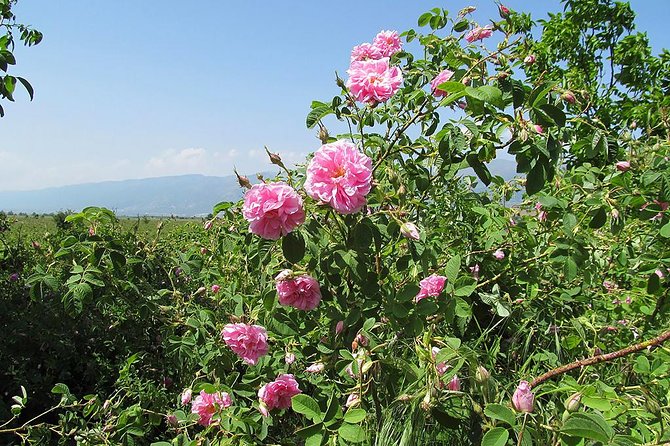
If roses are your main interest, aim for the general flowering period from May 1 to June 15. The exact bloom changes a little each year, so you should not treat those dates as a guarantee of full fields. Still, this is the strongest window for seeing the region connected with Bulgaria’s rose production.
June offers another seasonal bonus: lavender is in bloom. From mid-June through the end of July, sunflowers begin to take over the seasonal display. The tour runs outside those periods too, but the countryside will not offer the same floral focus.
The itinerary gives only about 30 minutes at the Museum of Roses. That is enough for an introduction, not a long workshop or farm visit. You can expect displays connected with rose-picking and rose production in Bulgaria, along with time to look around the museum shop area. One stop at a rose shop was especially well received, so allow a little room in your budget if you want rose-related products.
The museum admission is extra. Since the tour already has several paid sites, confirm the current ticket arrangements when booking, and keep the €9 per-person fee in mind.
The Museum of Roses in 30 minutes
The Museum of Roses gives the day its local flavor. Instead of beginning with kings, battles, and tombs, you start with a product that still shapes the identity of the region.
In half an hour, you can get a basic picture of how roses are picked and turned into products. The stop is short, so I would treat it as context for the valley rather than a full museum visit. The guide’s live commentary is useful here because the displays may mean more when someone explains how rose production fits into Bulgarian life.
The timing also keeps the tour moving. If you are mostly interested in Thracian archaeology, you will not lose a large part of the morning. If roses are your priority, you may wish the stop were longer.
Iskra Historical Museum and the objects of Kazanlak
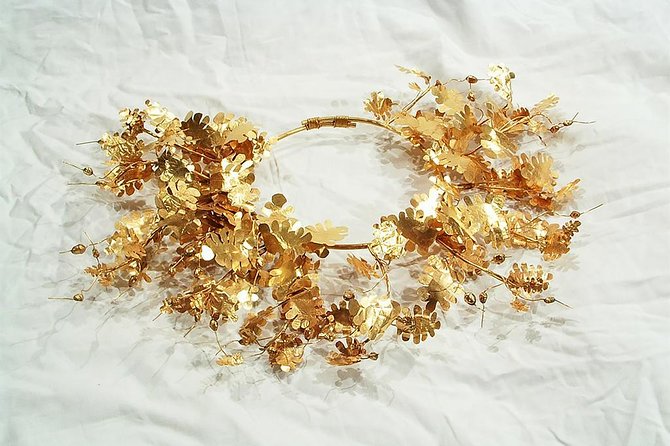
The Iskra Historical Museum receives about 45 minutes, making it the longest museum stop. Its scope covers the history of the Kazanlak region, including Thracian tombs and treasures from the Valley of the Thracian rulers.
This is a good place to see objects before visiting the burial sites. A museum can supply the names, dates, and artifacts that are hard to grasp inside a dark tomb chamber. The gold objects found at the Tomb of Seuthes III are especially important to the day’s story.
You should not expect unlimited time for every gallery. Forty-five minutes is enough for a focused visit with a guide, but you may need to move along. That is a fair trade on a day with five stops. The museum admission is not included.
A few more Plovdiv day trips to weigh up
- Private city walking tour of Plovdiv
★ 5.0 · 65 reviews - Food Walk: Bulgarian Food and Culture Tour in Plovdiv
★ 5.0 · 35 reviews - Wonderful Bridges-Bachkovo Monastery-Assen’s Fortress – day tour from Plovdiv
★ 5.0 · 32 reviews - Plovdiv guided walking tour
★ 5.0 · 31 reviews
The UNESCO Tomb of Kazanlak, seen in replica form
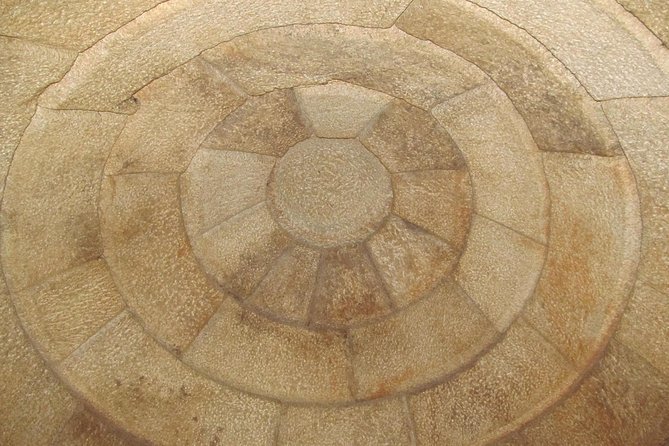
The Thracian Tomb of Kazanlak is Bulgaria’s first UNESCO World Cultural Heritage site. Its importance comes from the frescoes dating to the fourth century BC, which give you a rare look at ancient Thracian funerary art.
There is a catch, and it should be clear before you book: the original tomb is closed to the public. You visit a replica nearby because the original paintings are too precious to expose to regular foot traffic.
That may disappoint anyone expecting to enter the exact UNESCO chamber. Still, the replica lets you see the form and painted decoration without adding damage to the original. The stop lasts about 30 minutes, so the guide’s explanation matters. Use the time to notice the frescoes and ask how the replica relates to the protected tomb.
This is one of the most unusual parts of the day. You are not simply looking at an empty mound or a set of ruins. You get a sense of the decorated interior and the care needed to preserve it.
Tomb of Seuthes III and the Thracian gold
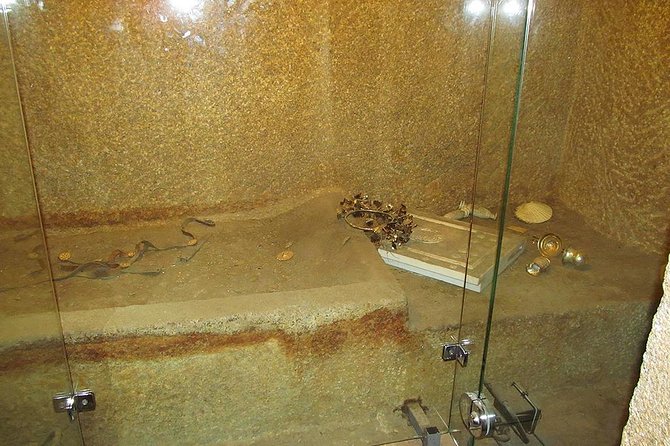
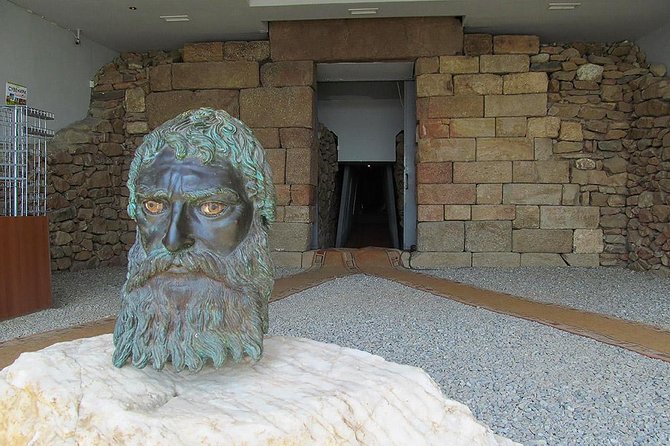
The Tomb of Seuthes III, also called Goliama Kosmatka, shifts the focus from painted walls to royal burial and architecture. It began as a Thracian temple from the fifth century BC and later became the tomb of the ruler Seuthes III.
The visit lasts about 25 minutes. That is brief, but the story is strong: archaeologists found around 20 gold objects inside, apparently connected with the king. The Iskra Museum prepares you for this stop, while the tomb gives you the physical setting.
I would pay close attention to the guide here. The site is not presented as a long museum gallery, so the meaning comes from the explanation of how the temple was changed into a tomb and what the gold objects suggest about the ruler.
The short visit is also the main limitation. If ancient archaeology is your chief interest, you may want more time at both this tomb and the Kazanlak site. The advantage is that you see two different burial monuments in a single day rather than choosing only one.
Shipka Memorial Church and Bulgaria’s modern past
The final listed stop is Shipka Memorial Church, an ornate Russian Orthodox temple at the foot of the Balkan Range. It was built between 1885 and 1902 and dedicated to Russian, Ukrainian, and Bulgarian soldiers who died in the Russo-Turkish War of 1877 to 1878.
After the Thracian sites, the church changes the time period completely. You move from ancient rulers to the conflict connected with Bulgaria’s liberation. That contrast makes the day more than an archaeology outing.
The church visit lasts about 30 minutes. You can admire the building and understand its memorial purpose, but the schedule does not promise an extended religious or architectural tour. If you enjoy grand church interiors and national history, this should be a welcome final stop. If you booked only for roses and Thracian tombs, it may feel like an added chapter rather than an essential one.
What the guide adds to the day
This experience depends heavily on the guide. The package includes a driver and guide, live commentary on board, and a local or professional guide. Names associated with the tour feedback include Kamen, Carmen, and Rusi. Kamen was praised for patient explanations, Carmen for friendly guidance and a useful restaurant suggestion, and Rusi for his warm manner and flexibility.
Those details point to what you should want from the day: clear explanations during the ride, help connecting the museum objects to the tombs, and practical advice about lunch or other Bulgarian sights. A private setting also means you can ask questions without holding up a large group.
Guide assignments can change, so do not book on the assumption that one specific person will lead your departure. The important advantage is the private format, which gives the guide more room to respond to your interests.
The pace, transport, and practical trade-offs
A 9:00 a.m. start and roughly 7.5-hour duration make this a manageable full day from Plovdiv. Hotel pickup and drop-off within Plovdiv city remove the need to reach a fixed meeting point, but you must provide your exact pickup location when booking or closer to the date.
The schedule includes five stops with visits ranging from 25 to 45 minutes. That means you will spend a fair amount of time moving between places, even though the transport details do not list exact driving times. The private vehicle makes the transitions easier, especially for a group that wants to keep bags, water, or purchases with them.
Most people can take part, according to the supplied information. Still, the day includes several historic sites and timed visits, so anyone who needs a slower pace should discuss that with the provider before booking. The tour is private, which offers more control than a large group, but it does not turn a seven-hour schedule into a leisurely two-day visit.
The provider, PLOVDIV TRIPS, offers free cancellation up to 24 hours before the local start time for a full refund. Changes or cancellations inside that 24-hour window are not accepted or refunded.
Who will get the most from this tour?
I would recommend this tour to you if you want several major sights without renting a car or arranging separate tickets and transport. It is particularly useful if you have only a short stay in Plovdiv and want to add rose culture, Thracian archaeology, and Bulgarian memorial architecture in one outing.
History fans will get the most substance from the Iskra Museum, Kazanlak Tomb replica, and Tomb of Seuthes III. The rose museum adds variety, while Shipka Memorial Church gives the day a later historical chapter.
The tour also suits you if you value a flexible private guide. Feedback highlights Kamen, Carmen, and Rusi for strong explanations, patience, friendliness, and helpful local suggestions. Those qualities matter because the stop times are short.
I would hesitate if your dream is a long rose-field visit during peak bloom, an extended archaeological study, or entry into the original Kazanlak tomb. The museum stop is only 30 minutes, the tomb visits are brief, and the original UNESCO chamber is closed. For those priorities, you may want a slower custom arrangement, if available.
Should you book the Rose Valley and Thracian Kings tour?
Book it if you want an efficient private introduction to central Bulgarian culture and history from Plovdiv. The strongest reason is the combination: roses, museum collections, two Thracian burial sites, and Shipka Memorial Church in one guided day.
The $144.18 per-person price is easiest to justify for a small group that values door-to-door transport and a dedicated guide. Add €9 per person for admissions, plus lunch and drinks. Schedule it during the rose season if floral scenery matters, or choose June for lavender and late June through July for sunflowers.
Skip it if you need long, unhurried visits or insist on entering the original Kazanlak tomb. For most people with one free day, though, this is a well-focused trip with genuine variety and little transport hassle.
FAQ
Where does the tour start?
Pickup is available from any hotel or location within Plovdiv city. You provide the pickup location when booking or closer to the tour date.
What time does the tour begin?
The scheduled start time is 9:00 a.m.
How long does the tour last?
The tour lasts approximately 7 hours and 30 minutes.
Is this a private tour?
Yes. Only your group participates in the private activity.
Is hotel drop-off included?
Yes. Hotel pickup and drop-off within Plovdiv are included.
Are entrance fees included?
No. Entrance fees are listed separately at €9 per person.
Can I visit the original Thracian Tomb of Kazanlak?
No. The original tomb is closed to protect its frescoes. The tour visits a nearby replica.
When are the roses in bloom?
The usual rose-bloom period is from May 1 to June 15, though the dates vary slightly each year. Lavender blooms in June, and sunflowers generally appear from mid-June through the end of July.
Just added around Plovdiv
- Private Buggy Experience All Seasons in Pamporovo★ 5.0 · 3 reviews
- Transfer Plovdiv to Sofia airport/city with a car 3+1★ 5.0 · 3 reviews
- Plovdiv Roman Sights Self-Guided★ 4.5 · 3 reviews
- Chateau Copsa Wine Tasting Tours & Activities★ 4.5 · 3 reviews
- Half-Day of Horseback Adventure with Wine Tasting★ 5.0 · 4 reviews
- Hiking to Eagle’s Eye and Devil’s Throat Cave★ 5.0 · 4 reviews
- Private Cascades Waterfall Horseback Riding Tour from Smolyan★ 5.0 · 4 reviews
- Private 1-day Trip To Wonderful Bridges-Bachkovo-Asen’s Fortress from Plovdiv★ 3.5 · 6 reviews
Thracian Heritage & Tombs, compared.
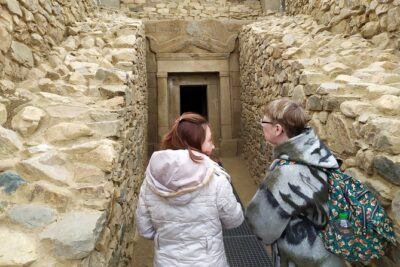
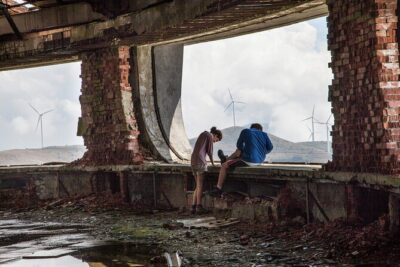
A Day trip to the Thracian Kings, The Valley of Roses & Buzludzha
Read our review →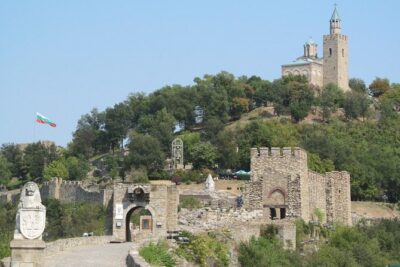
Veliko Tarnovo – Arbanassi – Shipka Memorial Church – private tour from Plovdiv
Read our review →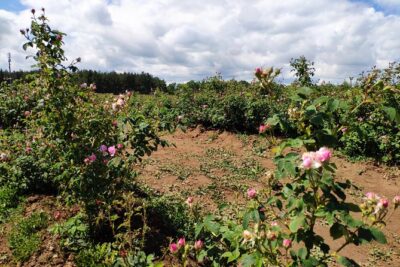
Private Access Rose Festival Kazanlak 05-07.06.2025
Read our review →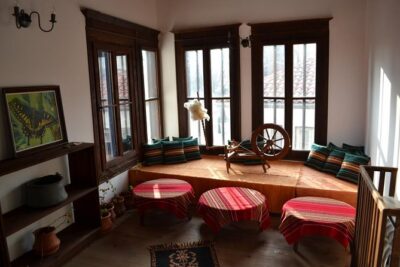
Picking Roses Workshop & Extracting Rose Oil in the Rose Valley
Read our review →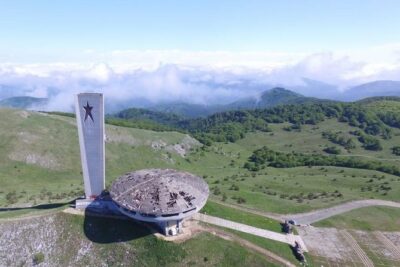
Symbol of the Communism Buzludzha monument and the Rose valley
Read our review →
Tour to Koprivshtitsa and the Buzludzha monument incl the Seuthes Thracian Tomb
Read our review →Browse the lists this tour appears in