Reviewed · TOURS
Skip the Line: Medieval Tuida Fortress tours
Tuida Fortress gives you more than a pile of old stones. Inside its walls, you can trace Roman, Byzantine, and Bulgarian chapters, then try archery and medieval dress if you book that option. I like the mix of archaeology and hands-on fun, and I like that the site remains a quiet stop in Sliven rather than a packed blockbuster.
The main drawback is easy to understand: without a guide, the ruins can be hard to read. Some areas are only walls, earth, and scrub, and the outdoor signs may be difficult to make out. Comfortable shoes matter.
Key points to know before you go
- Roman and Bulgarian layers: See remains linked to the Roman Empire, Byzantine rule, and the First Bulgarian Empire.
- A rare early Christian complex: The site includes a three-nave basilica and an unusual baptistery with murals and mosaics.
- Archery and period clothing: These activities are available when you book the relevant option, making the visit especially good for families.
- A small but meaningful price: The listed cost is about $8.16 per person, while admission is shown as free, so check exactly what your selected option covers.
- Best with interpretation: A guide helps explain the fortress walls, inscriptions, buildings, and artifacts that are easy to miss on your own.
- Easy planning: You receive a mobile ticket, the experience is offered in English, and the group can reach up to 50 people.
Why Tuida matters in Sliven
Tuida Fortress sits above today’s Sliven, in an area that once linked major Roman and Byzantine routes with the lands of the early Bulgarian state. Its story is not one neat chapter. It is a sequence of rebuilding, destruction, and reuse.
The fortress escaped the Gothic invasion of 378 AD, but the Huns destroyed it in the fifth century. Roman Emperor Anastasius I later ordered its rebuilding, preserving the earlier plan while strengthening the site.
The fortress was destroyed again around 598 or 599 AD, probably during attacks by Avars and Slavs. That repeated cycle is part of what makes the place useful to visit. You are not looking at one frozen monument from one period. You are seeing a military site that changed as rulers, armies, religions, and local communities changed.
After about 705 AD, the territory around Sliven became part of Bulgaria. This happened when Bulgarian Khan Tervel helped Byzantine Emperor Justinian II regain his throne in Constantinople, and in return received the Zagore region south of the Balkan Mountains.
A Bulgarian settlement later occupied the fortress area, though its original name is not known. Archaeologists found a lead seal belonging to Bulgarian Knyaz Boris I Mihail, who ruled from 852 to 889 AD. That small object connects the hill to the First Bulgarian Empire in a direct and personal way.
Other Bulgaria days people book alongside this one:
- From Bucharest: Full-Day Trip to Bulgaria
★ 4.6 · 1,008 reviews - Rila Monastery and Boyana Church Full-Day Tour
★ 4.5 · 918 reviews - Sofia Escape Room – Teorema Rooms
★ 5.0 · 895 reviews
What you see inside the fortress walls
The fortified area covered about 40 decares, roughly 10 acres. Excavations have exposed sections of the walls, towers, gates, and the foundations of buildings inside.
Do not expect every structure to rise dramatically above you. Much of the site is archaeological rather than reconstructed. You will often need a guide, an e-guide, or a good imagination to turn a low wall into a gatehouse or a line of stones into a former building.
The remains still give you a clear sense of the fortress plan. Towers helped protect the walls, while the gates controlled movement in and out. The elevated position also helps explain why this spot mattered, with views across the area around Sliven.
The Bulgarians rebuilt the fortress walls and its aqueduct. They also added buildings decorated with marble slabs made by stone cutters in Veliki Preslav, the Bulgarian capital at the time. Bricks bearing an Ancient Bulgar sign, resembling |Y|, have also been found.
Those details give the site texture. You are not only looking at defensive masonry. You are seeing evidence of water management, skilled stonework, building traditions, and the symbols used by early Bulgarians.
The basilicas and baptistery are the real highlight
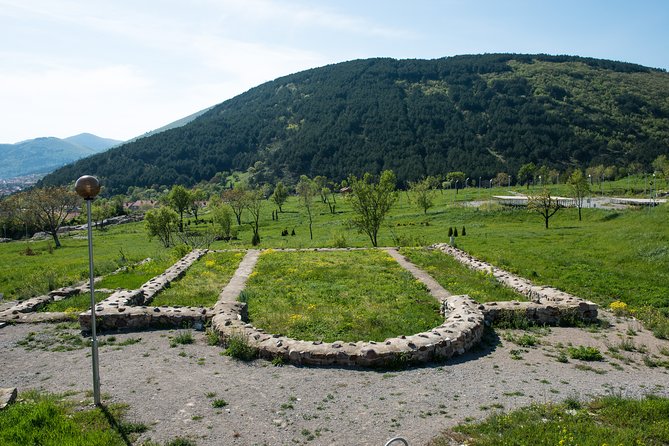
The religious remains add another layer to the visit. Written sources indicate that Tuida was the seat of a bishop from the fourth century onward.
Inside the fortress, excavations revealed a cult complex used from the fourth through the thirteenth century. Its main feature is a three-nave, one-apse Early Christian basilica. Nearby is a distinctive baptistery decorated with murals and mosaics.
This is where a guide earns the extra cost. A casual look might leave you with the impression of a few foundations. With explanation, you can understand how the complex functioned and why its location inside a military settlement matters.
A larger basilica was also found outside the fortress walls. That suggests the settlement extended well beyond the defended area. In other words, Tuida was not just a fort with everyone living behind the walls. It was part of a wider community.
Two marble pedestals dedicated to Apollo and Zeus also help identify the ancient settlement. The inscriptions give the name as Tuida or Suida, with written sources also using Tsoida. A third-century inscription describes the settlement as a marketplace.
That market reference is especially useful. It reminds you that Tuida was not only about soldiers and bishops. People bought, sold, worshipped, built, and raised families here.
Archaeology you can connect to real life
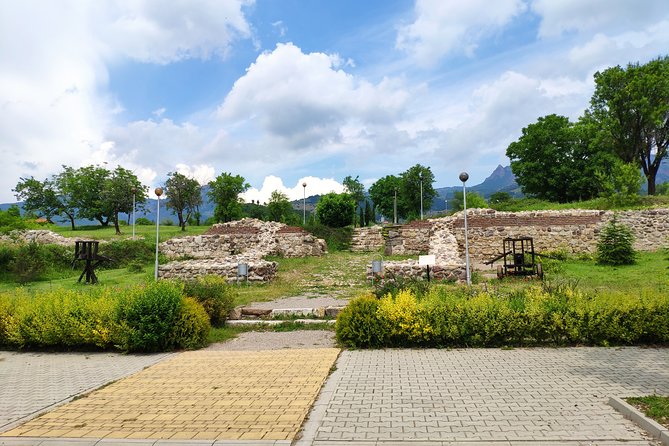
The excavation finds include iron tools, pottery, ornaments, coins, and bones from 14 species of wild and domesticated birds. The bird remains include Bonelli’s eagle, western capercaillie, great bustard, and common pheasant.
You should not expect all these finds to be lying around the ruins. The value is in what they reveal about daily life and the surrounding environment. Tools suggest work. Pottery points to storage and cooking. Coins show trade and administration. Animal bones offer clues about food and hunting.
Excavations began in 1982 and resumed in 2004. That long gap is a reminder that archaeological sites develop slowly. New work can alter what experts understand about a place, and Tuida is still best approached as an active historical site rather than a fully rebuilt attraction.
Same base, a completely different day out:
- From Sofia: Rila Monastery & Boyana Church Day Tour
★ 4.5 · 866 reviews - Communist Walking Tour of Sofia
★ 5.0 · 690 reviews - Admission Ticket to the Museum of Illusions in Sofia
★ 5.0 · 659 reviews - Wine Tasting in Heart of Sofia
★ 5.0 · 545 reviews
Why a guide can change the whole visit

Tuida is one of those places where interpretation matters more than scale. If you arrive expecting tall walls, complete rooms, and grand interiors, you may find the first impression modest.
A guide can point out the gate, towers, aqueduct, basilica, baptistery, inscriptions, and building remains in a logical order. You can then see the fortress as a working settlement instead of disconnected ruins.
The English-language option is useful if you do not read Bulgarian. An e-guide is also included, but the exact arrangement may depend on the option you book. The practical choice is simple: if ancient masonry usually leaves you cold, book guiding. If you already enjoy archaeological sites and prefer to move at your own pace, the e-guide may be enough.
The booking information also identifies the provider as VisitBulgariaOn Bespoke Experiences. Correspondence connected with the experience is signed by Hristo, but no specific guide name is guaranteed for your visit, so do not book expecting a particular individual.
Archery, medieval clothes, and family appeal
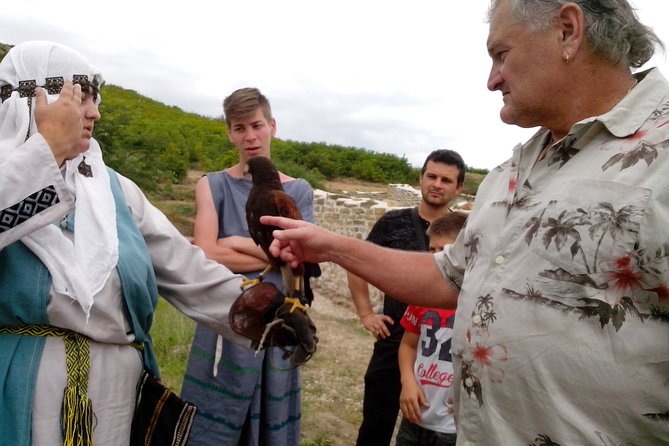
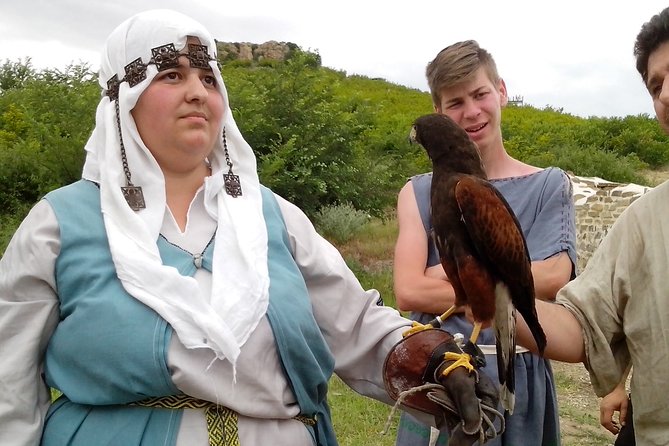
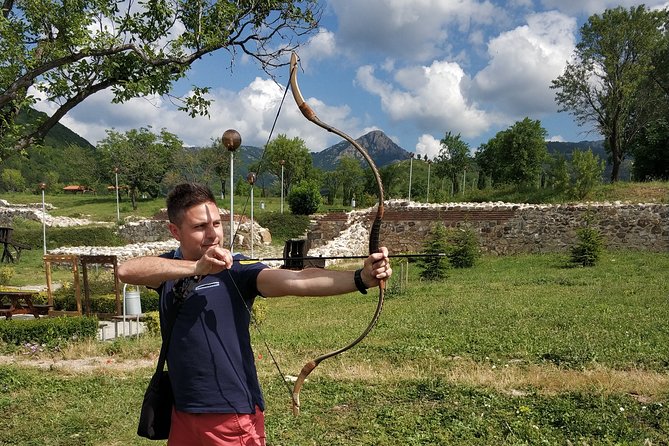
The optional activities are a strong reason to choose this experience instead of a plain walk around the ruins. You can dress in medieval clothing and try archery when that option is booked.
These activities give children a reason to pay attention, but adults can enjoy them too. A costume makes the period feel less abstract, while archery adds a physical element to a visit that otherwise involves looking, listening, and walking.
Medieval games are also mentioned as part of the on-site entertainment. The supplied details do not specify every game, how long the activity lasts, or whether equipment is available at all times. Treat these as optional features tied to the selected package, not guaranteed additions to every ticket.
Photography is included. That matters here because the site offers views, exposed walls, stone details, and costume opportunities. You can take pictures during the visit without treating photography as a separate paid service.
Is the $8.16 price good value?
The listed price is $8.16 per person, with an approximate one-day duration. That is a modest cost for an English-language archaeological visit, especially if your booking includes guiding, archery, and medieval dress.
There is one detail worth checking before payment. The information marks the admission ticket as free, while the experience itself has a price. That suggests you may be paying for the organized service or selected extras rather than a basic entrance fee. Confirm which option you are buying, particularly if you only want independent access.
The value is strongest when you use the guide and activities. A bare look at the walls may take less time and offer less understanding. A guided visit with costumes and archery gives you several ways to connect with the site.
Food, drinks, and personal expenses are not included. Plan accordingly, especially if you are building a full day around Sliven. No meal or transport service is described, so you should not assume either is part of the booking.
Practical planning for the visit
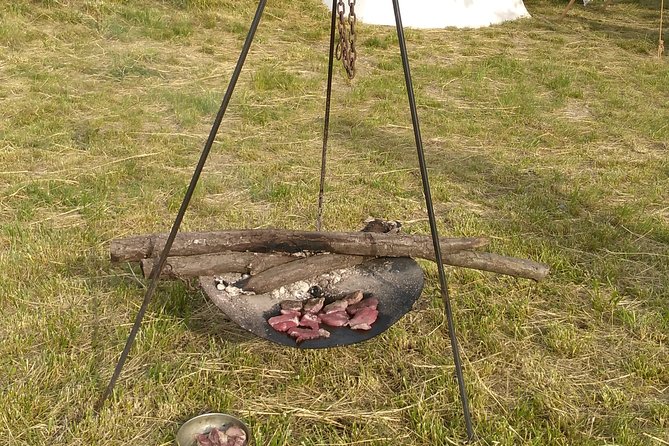
The experience uses a mobile ticket, which is handy if you are touring Bulgaria with a phone rather than carrying printed paperwork. Confirmation is provided at the time of booking.
Wear comfortable shoes. The site is an outdoor archaeological area, and walking surfaces may be uneven. Some vegetation can make certain paths less clear, so sturdy footwear is a sensible choice.
Most people can participate, and service animals are allowed. The maximum group size is 50, which is large enough that the feel of the visit may vary. If a full group arrives, stay close enough to hear the guide and allow extra time for people to gather around the remains.
The experience is offered in English. If you need another language, the supplied information does not confirm one, so English is the safe assumption.
The stated duration is one day, approximately. That wording does not give a precise number of hours. If you have a tight schedule, confirm the start time and expected length before booking.
You can cancel for a full refund up to 24 hours before the local start time. Cancellations or changes made inside that 24-hour window are not refunded or accepted.
Who should book Tuida Fortress?
I would recommend this for anyone already visiting Sliven who wants a historical site with more personality than a standard ruin. It suits families particularly well when archery, costumes, and medieval games are included.
It also works for people interested in the overlap between Roman, Byzantine, Christian, and Bulgarian history. The basilica, baptistery, market inscription, aqueduct, and Boris I seal give you several clear threads to follow.
Independent archaeology fans can visit without a guided package, but you should know what you are choosing. The remains may feel sparse if you expect a restored castle. Bring patience, use the e-guide, and take time to study the layout.
I would be cautious about booking if you want a polished indoor museum, a long list of intact buildings, or a fully scripted attraction. Tuida is an open ruin, and its appeal depends on your interest in reading evidence from foundations and fragments.
My verdict on this Sliven experience
Book Tuida Fortress if you want a low-cost, English-supported visit that combines serious archaeology with light-hearted activities. The optional archery and medieval clothing make the site more approachable, while the basilica, baptistery, aqueduct, inscriptions, and Bulgarian remains give the visit real substance.
For the best experience, choose the guided option and wear good shoes. If you go independently, set your expectations correctly: the site is historically important, but it is not reconstructed into a complete medieval fortress.
The price is attractive, the setting gives you a different view of Sliven, and the guide can help turn scattered stones into a story. Just confirm what your selected package includes, since basic admission is listed as free and the extras are option-dependent.
FAQ
Where is Tuida Fortress?
Tuida Fortress is in Sliven, Bulgaria.
How much does the experience cost?
The listed price is $8.16 per person.
How long does the experience last?
The duration is listed as one day, approximately. A precise number of hours is not provided.
Is the ticket mobile?
Yes. A mobile ticket is provided.
Is the experience offered in English?
Yes. English is the stated language.
Are archery and medieval clothing included?
They are included only if you book the option that offers archery and medieval dresses.
Is a guide included?
Guiding is included if you book the guided option. An e-guide is also listed among the inclusions.
Can I cancel for a refund?
Yes. You can cancel at least 24 hours before the local start time for a full refund. Cancellations or changes made less than 24 hours before the start time are not refunded or accepted.
Just added around Bulgaria
- Private Buggy Experience All Seasons in Pamporovo★ 5.0 · 3 reviews
- Transfer Plovdiv to Sofia airport/city with a car 3+1★ 5.0 · 3 reviews
- Plovdiv Roman Sights Self-Guided★ 4.5 · 3 reviews
- Private Winter Day Trip to the Rila Mountain★ 4.5 · 3 reviews
- 60-Minute Small-Group ATV Safari Tour in Bansko★ 5.0 · 3 reviews
- Chateau Copsa Wine Tasting Tours & Activities★ 4.5 · 3 reviews
- Transfer from Sofia to Stara Zagora★ 5.0 · 3 reviews
- Cook and Eat with a Local in Sofia★ 5.0 · 3 reviews
Tours, compared.
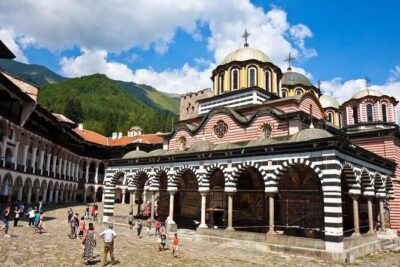
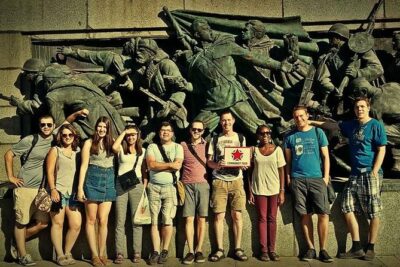

Sofia Highlights 2 Hour Sightseeing Walking Tour
Read our review →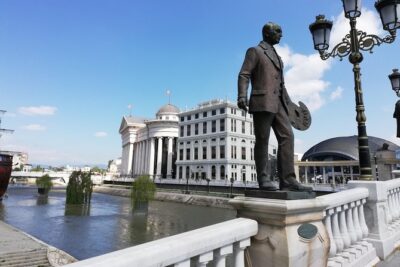
Day tour to Skopje, North Macedonia – Small Group
Read our review →
Plovdiv Small Group Full Day Guided Tour from Sofia
Read our review →
Tour to Lovech, Devetaki cave & Krushuna waterfalls
Read our review →