
Reviewed · THRACIAN HERITAGE & TOMBS
Valley of the Thracian Kings, Hidden Treasures
The most striking part of this day is not a grand palace or a famous battlefield. It is the chance to enter Bulgaria’s Thracian past through a group of small burial chambers scattered across the countryside. Painted walls, carved stone, unusual tomb designs, and museum artifacts help you piece together a civilization that left few written records.
I like the variety of tombs, since each one offers something different, and I like the easy hotel pickup with a private vehicle. The guides Ivan, Krassimir, Lyubo, Daniel, and others have made this trip especially strong by explaining archaeology in clear English and linking the tombs to Bulgarian history and legends about Orpheus and Spartacus.
The catch is the long road day. You spend about three hours going each way, and the experience depends heavily on the guide assigned to you. Most outings are praised for strong historical commentary, but one poor guide experience shows why it is sensible to confirm who will lead your tour before paying.
Key points to know before you book
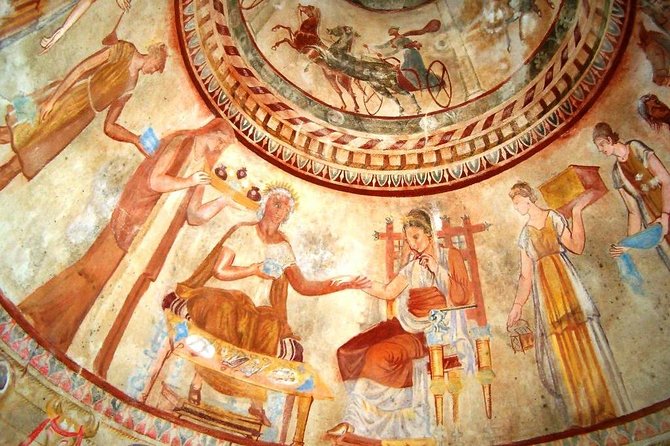
- The UNESCO-listed Kazanlak Tomb contains original frescoes from the end of the fourth century BC, though the original chamber is protected and a replica may be used for visitors.
- Several Thracian tombs create a fuller picture than a single museum visit, with Grifoni and Ostrusha offering very different designs and decoration.
- The drive takes up much of the day, but hotel pickup, round-trip transport, and entrance fees are included.
- Guide quality matters greatly, especially because the tombs are compact and many major artifacts are displayed in the museum.
- Small groups are a real advantage, with tours organized for up to seven people in some cases and a stated maximum of 15.
- The $119.27 price is fair for a full private-vehicle day, provided your guide gives the historical explanation this trip needs.
Why the Valley of the Thracian Kings is worth the long ride
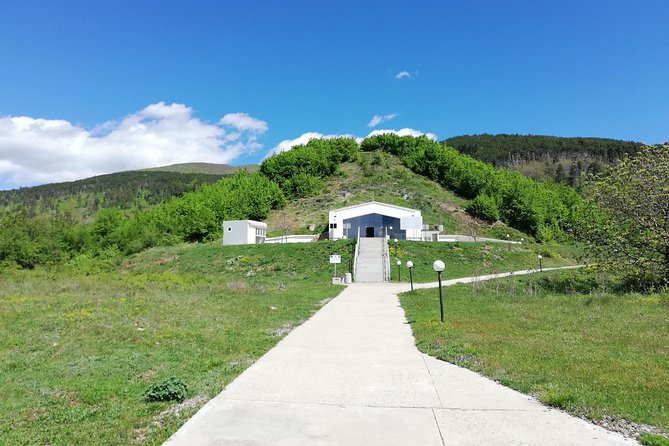
The Valley of the Thracian Kings lies near Kazanlak, several hours from Sofia. It is also known as the Valley of the Roses, a major Bulgarian center for rose-oil production. The countryside adds another layer to the day: you may see villages, farmland, sunflowers, plains, and mountain views during the drive.
The Thracians were not one neatly documented kingdom in the way ancient Rome was. Much of what you learn comes from burial sites, objects, art, and outside accounts. That makes a good guide essential. You are not simply looking at old stones. You are trying to understand a society through the way its elite prepared for death.
Around 1,300 burial mounds are known in the region, with about 300 excavated. That number explains why this is not a single-stop attraction. The valley is a broad archaeological zone, and the day gives you a sample of several different tombs before ending with the objects found inside them.
I would choose this trip if you enjoy archaeology, ancient religion, art, and the less familiar corners of European history. If you want a short sightseeing outing from Sofia, the distance may feel excessive.
More Thracian tombs and Rose Valley days:
Kazanlak Tomb and the problem of protecting original art
The Thracian Tomb of Kazanlak is the star of the day. Dating from the end of the fourth century BC, it is famous for its preserved frescoes and is listed as a UNESCO World Heritage site. The paintings are considered a major achievement of Thracian art, with scenes that give you a rare glimpse into funerary beliefs and elite life.
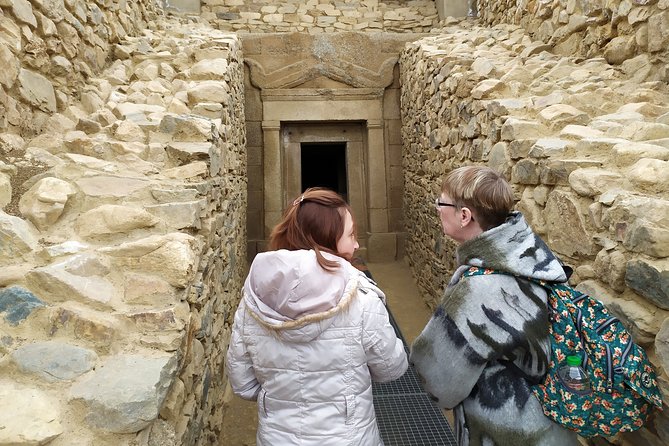
Do not expect a large underground complex. The chambers are small, and their size is part of the experience. You may find yourself standing close to the painted surfaces, studying details that would be easy to miss in a larger monument.
There is also an important practical point. The original tomb needs protection, so access may involve a reconstructed copy rather than the fragile chamber itself. This can disappoint anyone expecting to step into the exact ancient space, but the replica allows you to see the design and decoration without adding damage to the original.
A skilled guide can make this stop much more meaningful. Ivan has been praised for using anecdotes and clear explanations to connect the Thracians with later Bulgarian history. Other strong guides, including Krassimir and Lyubo, have added archaeological detail and broader historical context.
Without that help, Kazanlak can become a quick look at a painted passage followed by a photograph. With it, you can better understand why this modest tomb has such importance.
Grifoni Tomb, a more elaborate burial site
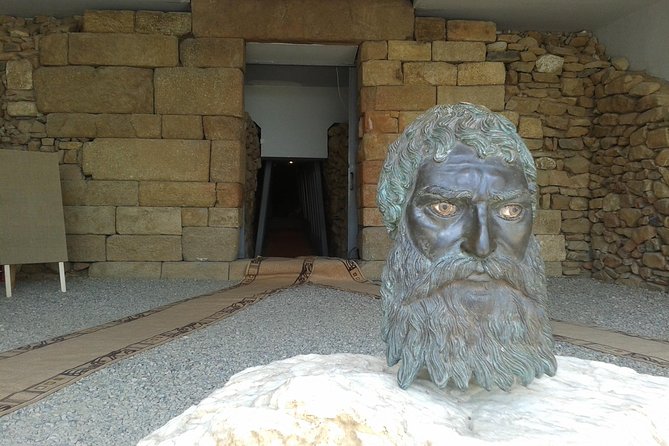
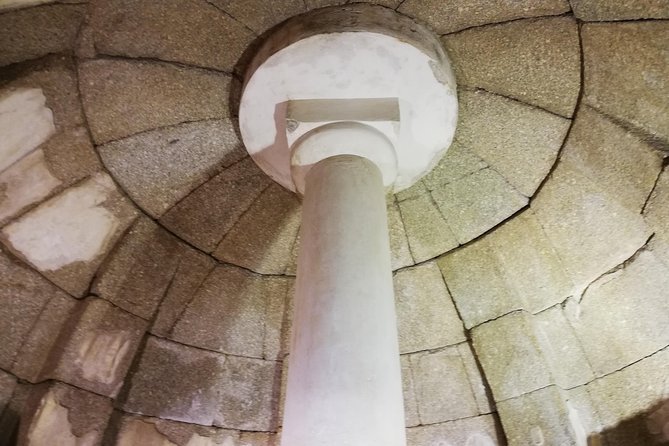
Grifoni Tomb dates from the fifth century BC and differs from Kazanlak in both age and design. It includes three chambers and a corridor, giving you a clearer sense of how some Thracian burials were planned as a sequence of spaces rather than one simple room.
The site is associated with a large number of valuable finds and is regarded as one of the richest Thracian burials discovered so far. Much of the interest lies in imagining the objects once placed there, since many important pieces are now preserved in museums rather than left underground.
This is where a guide with a history or archaeology background earns the price of the tour. You need someone to explain the relationship between the structure, burial customs, art, and the objects removed during excavation. Lyubo, who has been described as holding a master’s degree in history, has provided the sort of broad explanation that turns a stop into a lesson rather than a photo break.
The compact spaces also mean that your group size matters. A small group lets you hear the explanation and ask questions without competing with a crowd. The operator says groups may be limited to seven in some arrangements, while the stated maximum for the activity is 15.
Ostrusha Tomb and its remarkable ceiling
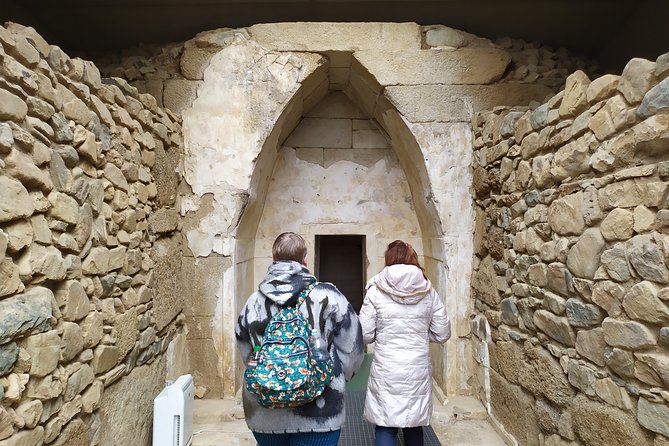
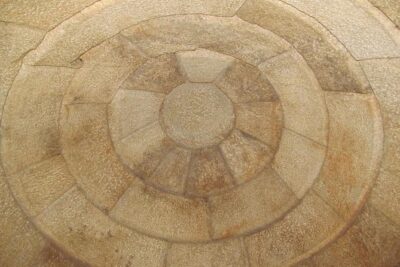
The Ostrusha Tomb dates from the fourth century BC and is best known for its ceiling. Its decoration combines relief work with fine painted details, including portraits, colorful figures, and floral patterns.
For me, this is the kind of stop that makes the long drive worthwhile. It is not simply another burial mound. The ceiling gives you a chance to compare different Thracian artistic choices and to notice how much effort went into a space that was never intended as an ordinary public room.
You may also see other Thracian tombs during the day. The supplied schedule refers to Kazanlak, Grifoni, Ostrusha, and additional burial sites, while the experience has been described as including four tombs, with one reconstruction. Exact access can depend on the day and the site arrangements, so ask for the confirmed list when you book.
The area also offers views toward Shipka and Buzludzha in the distance. These landmarks help place the tombs in modern Bulgaria, where ancient sites share the horizon with important symbols of more recent national history.
A few more Sofia day trips to weigh up
- Rila Monastery and Boyana Church Full-Day Tour
★ 4.5 · 918 reviews - Sofia Escape Room – Teorema Rooms
★ 5.0 · 895 reviews - From Sofia: Rila Monastery & Boyana Church Day Tour
★ 4.5 · 866 reviews - Communist Walking Tour of Sofia
★ 5.0 · 690 reviews
The Iskra Historical Museum puts the pieces together
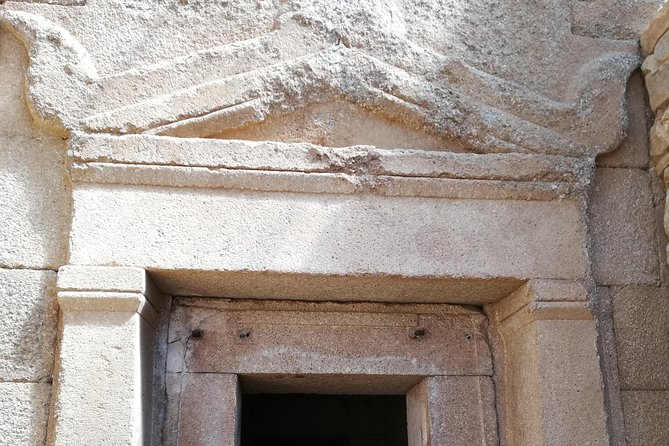
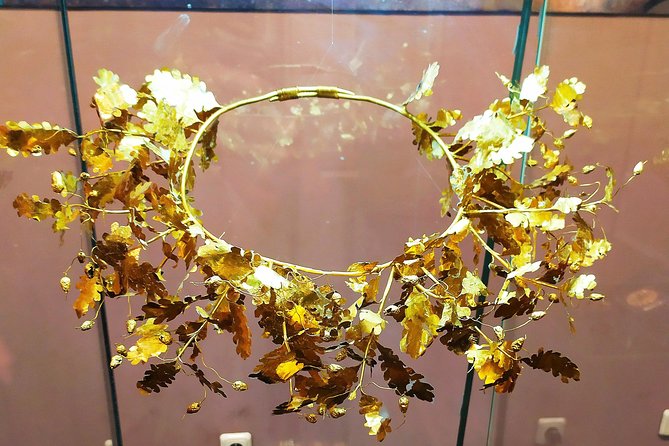
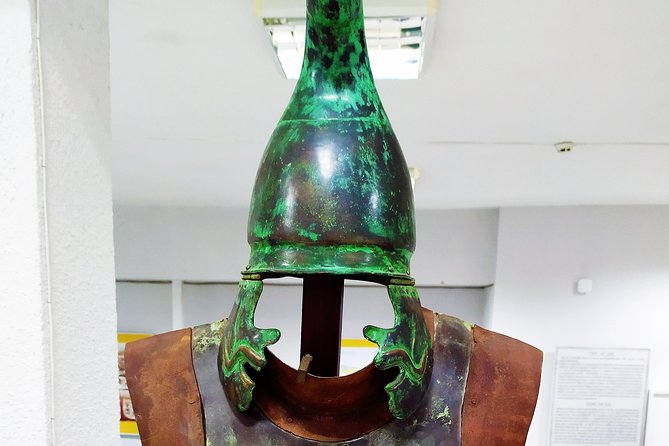
After the tombs, you visit the Iskra Historical Museum, also described as the regional archaeological museum. This is not an afterthought. It is where you see artifacts removed from the burial sites, along with examples of Thracian art and material culture.
That matters because the tombs themselves are small and relatively bare. Excavation, conservation, and the need to protect fragile objects mean that the museum often holds the things that help you understand the original burials.
Plan on about one hour here. If your guide has done a good job, the museum becomes a useful final chapter. You can connect the objects to the chambers you have just seen instead of viewing them as unrelated cases of ancient metalwork and pottery.
The contrast is also helpful. At the tombs, you focus on architecture, paintings, corridors, and ceilings. At the museum, you focus on the objects and the daily or ceremonial world they suggest. Together, the two parts make the Thracian story easier to follow.
The road from Sofia: beautiful, long, and worth planning around
The tour begins around 8:00 a.m., with pickup from any point in Sofia. Transport is by private vehicle, and hotel drop-off is included. The full outing lasts about 10 hours, with roughly two and a half hours of driving back to Sofia after the museum, plus a comparable journey in the morning.
That is a lot of time on the road. I would not book this as a casual add-on if you dislike long drives or want a relaxed city day. The schedule works best for someone who is happy to trade one full day in Sofia for a substantial archaeological excursion.
The countryside gives the drive purpose. You might see sunflower fields stretching to the horizon, small villages, agricultural land, industrial areas, and mountain views. Still, the scenery does not remove the need for patience. One guide reportedly kept conversation to a minimum for much of the drive, making the journey feel especially long.
A good guide can change that completely. Mikla, Ivan, Krassimir, Lyubo, and Daniel have each been praised for conversation, historical explanation, or personal attention. One guide even added an extra stop, while Daniel helped arrange a pleasant lunch stop. Food and drinks are not included, so you should budget for lunch and ask your guide about the day’s timing.
The guide can make or break this experience
This deserves plain language: the guide is the main variable. The tombs cannot speak for themselves, and the museum needs interpretation. If your guide knows archaeology and can answer questions, you receive a thoughtful day about Thracian beliefs, Bulgarian history, excavation, and mythology.
The strongest guiding style described for this trip includes clear English, a background in history or archaeology, lively conversation during the drive, and the ability to discuss figures such as Orpheus and Spartacus without turning the day into a string of vague legends.
There is also a serious warning. One outing had almost no commentary during the six hours of driving and only about 10 minutes of useful Thracian discussion in total. The guide reportedly gave vague answers, appeared unhappy with the assignment, and did not communicate well in English.
That kind of experience is especially damaging here because the tombs are small and many artifacts are in the museum. You cannot simply compensate by wandering around for hours on your own.
When booking, ask who is scheduled to guide you and whether that person has experience with Thracian archaeology. The company has received praise for reliable communication and pickup instructions, so use that contact point before the tour. This is not being fussy. It is good trip planning.
Price, group size, and what you receive
At $119.27 per person, the price includes a professional guide, hotel pickup and drop-off, private-vehicle transport, and entrance fees. Food and drinks cost extra.
For a 10-hour trip from Sofia, that is a reasonable price if you value convenience and interpretation. Reaching several rural archaeological sites independently would require arranging transport, locating each tomb, paying admission, and dealing with the return journey. The included entrances also make the total easier to judge.
The value drops sharply if the guide does not explain the sites. You would still see the valley and its tombs, but the reason to pay for a guided day is the historical context. I would think of the fee as partly buying transportation and partly buying access to someone who can help you read the evidence.
The small-group setup is another plus. The operator indicates that some tours run with up to seven people, though the formal maximum is 15. A private tour option is also available. Smaller groups help with questions, vehicle comfort, and the cramped tomb interiors.
Who should book this day from Sofia?
This tour suits you best if:
- You have a strong interest in ancient history, archaeology, or mythology.
- You want to see rural Bulgaria beyond Sofia.
- You are comfortable spending about six hours in transport.
- You prefer hotel pickup and a planned route.
- You want tombs, museum collections, and historical explanation in one day.
- You are willing to confirm the guide before booking.
Families can book, but children must be accompanied by an adult. A moderate level of physical fitness is advised. The experience is offered in English, and confirmation is received at booking.
I would skip it if your main goal is a slow day, a short excursion, or a highly polished museum-style presentation. I would also avoid booking without asking about the guide, particularly if detailed commentary is central to your interest.
Free cancellation is available until 24 hours before the start time for a full refund. Changes or cancellations inside that window are not accepted, and the cutoff follows local time.
Should you book the Valley of the Thracian Kings tour?
I would book this tour for the archaeology, the unusual tomb designs, and the chance to see a side of Bulgaria that is easy to miss from Sofia. Kazanlak’s frescoes, Grifoni’s chamber plan, Ostrusha’s decorated ceiling, and the Iskra Museum give you a varied day rather than one isolated monument.
My advice is to make the guide your first question. Ask for someone with a strong history or archaeology background, such as the kind of guiding associated with Ivan, Krassimir, Lyubo, Mikla, or Daniel. If that is confirmed, $119.27 is a sensible price for a long but rewarding day.
If the guide cannot be confirmed, understand the risk. The valley is worth seeing, but the sites are too compact and too dependent on explanation to guarantee a good experience on scenery alone.
FAQ
Where does the tour start?
The tour starts with pickup at around 8:00 a.m. from any point in Sofia.
How long does the experience last?
The full tour lasts approximately 10 hours.
What is included in the price?
The price includes a professional guide, hotel pickup and drop-off, transport by private vehicle, and entrance fees.
Are food and drinks included?
No. Food and drinks are not included in the tour price.
Which main sites are visited?
The route includes the Thracian Tomb of Kazanlak, additional Thracian tombs including Grifoni and Ostrusha, and the Iskra Historical Museum.
Is the Kazanlak Tomb a UNESCO site?
Yes. The Thracian Tomb of Kazanlak is listed as a UNESCO World Heritage site because of its preserved original frescoes.
What language is the tour offered in?
The tour is offered in English.
How many people can join the tour?
The tour is organized for small groups, with some arrangements limited to seven people. The stated maximum is 15 travelers, and private tours are also available.
Can I cancel for a full refund?
Yes. You can cancel at least 24 hours before the experience starts for a full refund. Cancellations or changes made less than 24 hours before the start time are not accepted.
Just added around Sofia
- Private Winter Day Trip to the Rila Mountain★ 4.5 · 3 reviews
- Transfer from Sofia to Stara Zagora★ 5.0 · 3 reviews
- Cook and Eat with a Local in Sofia★ 5.0 · 3 reviews
- Private 2 Hours Sofia Street Art and Graffiti Tour★ 5.0 · 3 reviews
- Tour to Koprivshtitsa and the Buzludzha monument incl the Seuthes Thracian Tomb★ 3.5 · 3 reviews
- Private Sofia Tour with Unique Local Food & Drinks Experience★ 4.5 · 3 reviews
- Koprivshtitsa and Starosel Tour★ 4.0 · 3 reviews
- Wine trip with The Jolly Vintners near Sofia★ 5.0 · 3 reviews
Thracian Heritage & Tombs, compared.
Kazanlak-Rose Valley-Valley of the Thracian Kings – private tour from Plovdiv
Read our review →
A Day trip to the Thracian Kings, The Valley of Roses & Buzludzha
Read our review →
Veliko Tarnovo – Arbanassi – Shipka Memorial Church – private tour from Plovdiv
Read our review →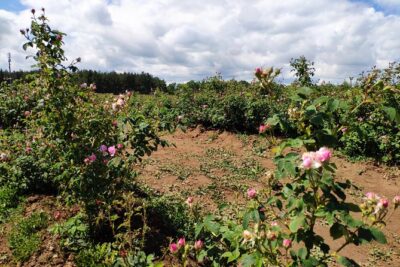
Private Access Rose Festival Kazanlak 05-07.06.2025
Read our review →
Picking Roses Workshop & Extracting Rose Oil in the Rose Valley
Read our review →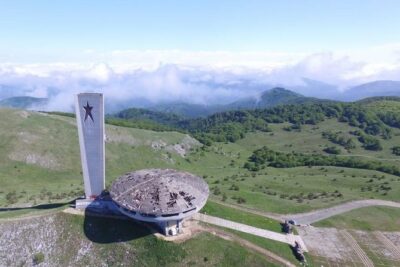
Symbol of the Communism Buzludzha monument and the Rose valley
Read our review →
Tour to Koprivshtitsa and the Buzludzha monument incl the Seuthes Thracian Tomb
Read our review →Browse the lists this tour appears in