
Reviewed · SOFIA TOURS
Explore Bulgaria’s COMMUNISM Era–Todor Zhivkov DayTrip from Sofia
Todor Zhivkov’s birthplace is not the stern communist monument you might expect. In Pravets, you find a quiet rural setting, a house tied to Bulgaria’s former leader, and a museum where older history reaches back to the sixth century BC. That mix makes this more than a political sightseeing stop.
I like the small maximum group of six, which should make the day easier to manage and leave room for questions. I also like the way the trip links Pravets with Botevgrad, bringing together Zhivkov’s personal story, archaeological remains, and local tales of uprisings and liberation. The main drawback is that lunch is not included, and two admissions cost an extra 14 BGN per person.
Key points to know before booking
- Todor Zhivkov’s rural birthplace: See the home connected with the leader of Bulgaria’s communist-era government.
- A wider view of the past: The day includes a historical museum with archaeological remains dating to the sixth century BC.
- Pravets and Botevgrad together: You get political history, local culture, and stories linked to uprisings and liberation.
- Very small group: The tour accepts no more than six people, a useful advantage for questions and personal attention.
- Nine hours from central Sofia: Meet at Alexander Nevsky Square at 8:30 am and return there after the trip.
- Extra costs are clear: Lunch is not included, and the two entry fees total 14 BGN per person.
Why Zhivkov’s birthplace makes an unusual day trip
Todor Zhivkov was the face of Bulgaria’s communist regime for much of the second half of the 20th century. His name is tied to the People’s Republic of Bulgaria, yet his birthplace in Pravets offers a much quieter setting than the hard-edged political image associated with the era.
That contrast is the heart of the excursion. You are not only looking at a former leader’s house. You are also considering how a person from a rural Bulgarian town rose to the top of the state, and how the memory of that period is presented today.
I find this kind of visit more useful than a simple collection of statues, slogans, or old government buildings. A birthplace gives political history a human scale. It also leaves room for questions. How did ordinary people live during the communist period? How much of that life was shaped by ideology, and how much was simply village routine, work, family, and local custom?
The experience does not appear designed as a full political lecture or a museum-heavy study tour. Instead, it uses a peaceful area outside Sofia to open the subject. If you want a day based on scenery and local history rather than a city walking tour, that balance may suit you.
A few more Sofia day trips to weigh up
- Rila Monastery and Boyana Church Full-Day Tour
★ 4.5 · 918 reviews - Sofia Escape Room – Teorema Rooms
★ 5.0 · 895 reviews - From Sofia: Rila Monastery & Boyana Church Day Tour
★ 4.5 · 866 reviews
Starting at Alexander Nevsky Square at 8:30 am
The meeting point is Pl. Sv. Aleksandar Nevski in Sofia’s Old City Center. This is a central location, near public transportation, so you do not need to arrange a distant pickup point. The activity begins at 8:30 am and ends back at the same meeting place.
The schedule is listed at about nine hours. That is a full day, but it gives the trip enough time to leave Sofia, visit the two destinations, and return without being compressed into a rushed morning. You should plan for a full excursion rather than a quick side trip.
The transport portion is accompanied by guide care and a safety drive. The group limit is six people, which is one of the most practical details here. A small vehicle group usually means less waiting when people get in and out, and it should be easier to hear explanations than on a large coach.
The available tour information does not name the guide assigned to this specific departure. The provider has received strong praise for guide Tsetso on other excursions, particularly for careful driving, attention, and outdoor guiding experience. That is useful background on the operator, but you should not assume Tsetso will lead this particular day unless the provider confirms it.
Pravets and the house connected to Zhivkov
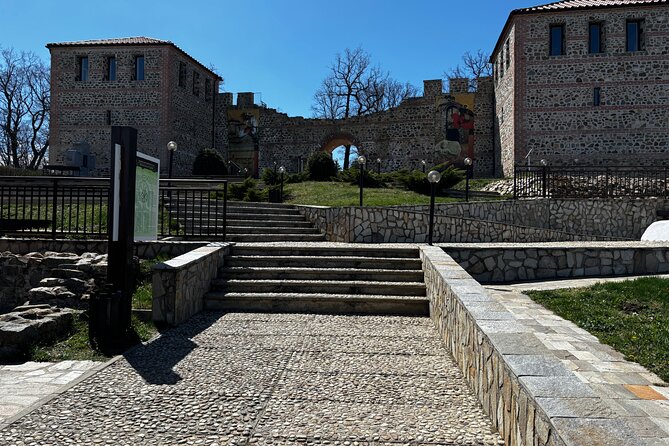
Pravets is the main stop and the place most closely linked to the tour’s theme. Here, you visit the birthplace of Todor Zhivkov. The setting is important because it shows the rural roots behind a figure who later became the public face of Bulgaria’s totalitarian government.
Do not expect the house alone to explain every part of the communist era. Its value is more personal and local. You are seeing the place connected with Zhivkov before he became a national political figure. That can help you think about the distance between a modest beginning and decades at the head of the state.
The atmosphere is described as peaceful and authentic rather than dominated by communist-era displays. For some people, that will be a strength. You can consider the subject without being pushed through a large, theatrical memorial. For others, the lack of a heavier political setting may feel too restrained, especially if you want detailed coverage of government policy, repression, daily shortages, or the fall of communism.
This is a good place to listen closely to the guide. The meaning of a birthplace often depends on context, and the included guide care is more important here than a fast photo stop. Ask about how the site is viewed locally and how Zhivkov’s legacy fits into modern Bulgaria if the schedule allows.
Archaeology reaching back to the sixth century BC
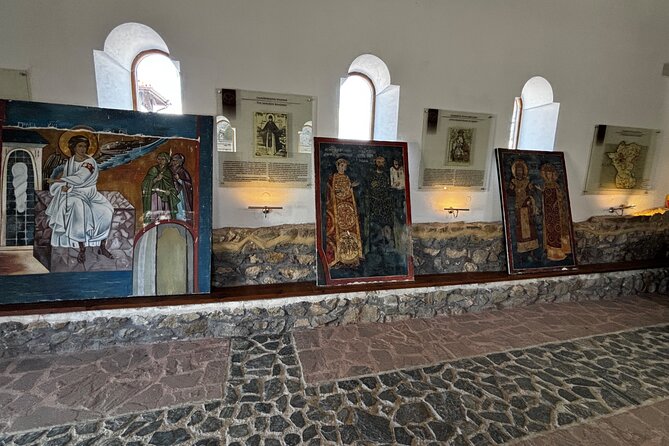
The historical museum adds a second layer to the visit. Its archaeological excavations date to the sixth century BC, taking you far beyond the 20th-century political story.
That change in focus is helpful. If the day stayed only with Zhivkov, it could become narrow or overly centered on one controversial figure. The archaeological material places Pravets in a much longer timeline. Bulgaria’s past did not begin with communism, and the museum helps show that local identity has older roots.
The museum also gives the trip variety. You move from a modern political biography to ancient remains, then onward to Botevgrad and its connection with uprisings and liberation. This spread may appeal to you if you like history but do not want an entire day devoted to one period.
The tour information does not specify how long you spend inside the museum or list individual exhibits. I would therefore treat it as an important part of the visit, but not assume it is a large museum with a full day’s worth of galleries. Two admissions are extra and together cost 14 BGN per person. That charge is modest, but it is worth including in your budget before you book.
Same base, a completely different day out:
- Communist Walking Tour of Sofia
★ 5.0 · 690 reviews - Admission Ticket to the Museum of Illusions in Sofia
★ 5.0 · 659 reviews - Wine Tasting in Heart of Sofia
★ 5.0 · 545 reviews - Sofia Highlights 2 Hour Sightseeing Walking Tour
★ 5.0 · 442 reviews
Botevgrad and stories of uprisings and liberation
The itinerary also includes Botevgrad, a city connected with local stories of uprisings and liberation. This broadens the historical frame again. Instead of seeing Bulgaria only through the communist period, you get a sense of earlier struggles that shaped the area.
The supplied details do not identify a single monument, church, battlefield, or museum in Botevgrad. For that reason, I would not book this expecting a long list of named landmarks. The appeal is the connection to the city’s historical role and the chance to see another community outside Sofia.
Botevgrad can work especially well as a counterpoint to Pravets. Pravets gives you a personal link to the communist leadership. Botevgrad shifts attention toward collective action, liberation, and the way local places carry memories of conflict. Together, the stops offer a more rounded day than a visit to Zhivkov’s birthplace alone.
If you prefer highly structured sightseeing with every stop precisely detailed in advance, this part may feel less predictable. If you enjoy hearing local context and letting the guide connect places to wider Bulgarian history, it should be more rewarding.
What the $109.97 price includes
The advertised cost is $109.97 per person. The price includes the guided day trip, transport, and guide care and safety driving. It does not include lunch or the two entrance fees, which total 14 BGN per person.
That makes the value depend largely on your priorities. For a private car or minibus-style day with no more than six people, the price can make sense if you want transport from Sofia and a guide to interpret the places. You are paying for the time outside the capital, the driving, and the small-group format, not simply for admission to a single museum.
It is less compelling if you are looking only for a cheap visit to Pravets or if you want a long, detailed museum program. The attraction is the complete package: transport, several historical angles, and a guide who can connect the stops.
Group discounts are available, though the exact reduction is not specified. You should check the final booking price for your party rather than assume a particular percentage. Also allow money for lunch, since that cost is not part of the advertised rate.
Who will get the most from this experience
I would recommend this day to you if you have already seen Sofia’s main sights and want a more unusual outing. It suits people curious about Bulgaria’s communist period, especially those who prefer personal stories and local settings to a formal city museum.
It also works for history-minded families and small groups. The archaeological material gives younger visitors a second subject to focus on, while the short overall itinerary avoids making the day a single long political discussion.
The six-person limit is valuable for solo bookers, couples, and small groups who do not want to join a large bus. The trip may also suit you if you want a guide present throughout the drive and visits, since navigating several places independently would require more planning.
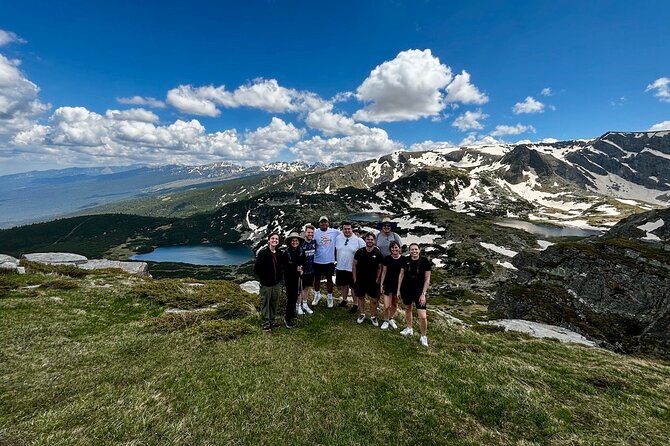
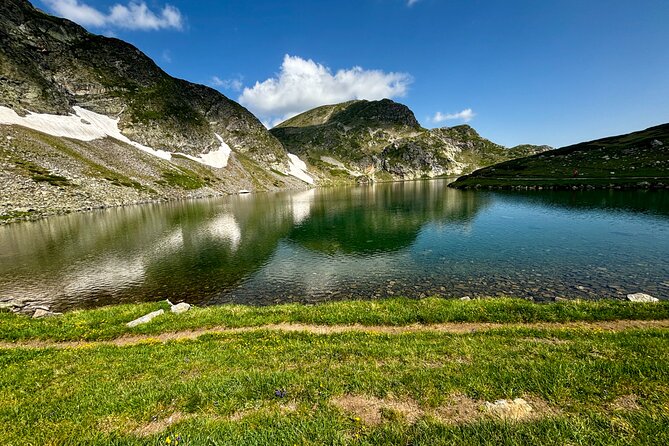
I would hesitate to recommend it as your first choice if your main goal is nature, hiking, or dramatic mountain views. The setting is described as picturesque and peaceful, but the central purpose is history. I would also look elsewhere if you want an exhaustive account of Bulgaria from the monarchy through the communist government and into the post-1989 period. This is a focused day, not a complete national history course.
Practical costs, weather, and cancellation rules
Bring room in your budget for lunch and the 14 BGN admission cost. The tour starts and ends at Alexander Nevsky Square, and public transportation is available near the meeting point.
Confirmation is provided when you book. Most people can participate, and the group has a maximum of six. The published details do not give a full accessibility breakdown, so if you have specific mobility needs, ask the provider before paying.
Free cancellation is available if you cancel at least 24 hours before the local start time. Cancellations made less than 24 hours before departure are not refunded, and changes inside that window are not accepted.
Weather matters. If poor weather forces cancellation, you are offered another date or a full refund. The activity also requires a minimum number of participants. If that minimum is not reached, you are offered another date or experience, or a full refund.
Should you book the Pravets day trip?
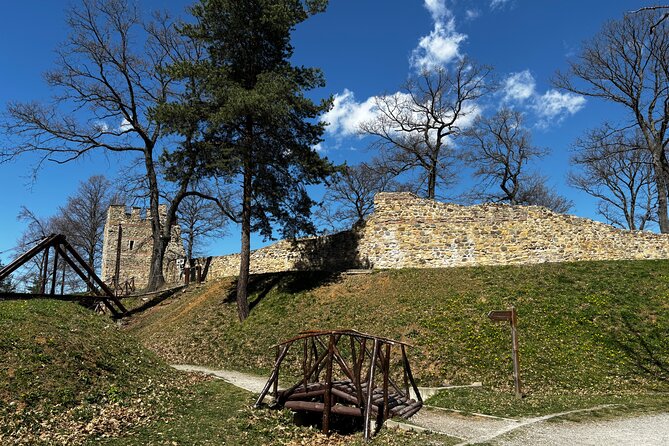
Book it if you want an uncommon, small-group excursion that puts Todor Zhivkov’s story into a quiet local setting. The strongest reasons are the six-person maximum, the link between Pravets and Botevgrad, and the shift from communist-era history to sixth-century BC archaeology.
Before booking, accept that the day is not a full museum tour and that lunch and two admissions cost extra. Confirm the guide’s name if that matters to you, since Tsetso is praised for other tours but is not confirmed for this departure.
For a thoughtful look at Bulgaria beyond Sofia, I think the experience offers good value. It gives you a political story, an archaeological stop, and a view of smaller Bulgarian communities in one well-contained day.
FAQ
How long is the Todor Zhivkov day trip?
The trip lasts approximately nine hours.
Where does the tour start?
It starts at Pl. Sv. Aleksandar Nevski in Sofia’s Old City Center, at 8:30 am.
Where does the tour finish?
The activity ends back at the starting meeting point at Alexander Nevsky Square.
What places are visited?
The tour visits Pravets and Botevgrad. In Pravets, you visit Todor Zhivkov’s birthplace and a historical museum with archaeological excavations dating to the sixth century BC.
Is lunch included?
No. Lunch is not included in the tour price.
Are entrance fees included?
No. Entry to two places costs 14 BGN per person.
How many people can join the tour?
The activity has a maximum of six participants.
Can I cancel for a full refund?
Yes, if you cancel at least 24 hours before the experience’s start time. Cancellations made less than 24 hours before the start are not refunded.
What happens if bad weather cancels the tour?
You are offered a different date or a full refund. If the minimum number of participants is not met, you are also offered another date or experience, or a full refund.
Just added around Sofia
- Private Winter Day Trip to the Rila Mountain★ 4.5 · 3 reviews
- Transfer from Sofia to Stara Zagora★ 5.0 · 3 reviews
- Private 2 Hours Sofia Street Art and Graffiti Tour★ 5.0 · 3 reviews
- Tour to Koprivshtitsa and the Buzludzha monument incl the Seuthes Thracian Tomb★ 3.5 · 3 reviews
- Cook and Eat with a Local in Sofia★ 5.0 · 3 reviews
- Private Sofia Tour with Unique Local Food & Drinks Experience★ 4.5 · 3 reviews
- Koprivshtitsa and Starosel Tour★ 4.0 · 3 reviews
- Wine trip with The Jolly Vintners near Sofia★ 5.0 · 3 reviews
Sofia Tours, compared.


Sofia Highlights 2 Hour Sightseeing Walking Tour
Read our review →
Day tour to Skopje, North Macedonia – Small Group
Read our review →
Browse the lists this tour appears in